
TaskFlow Pro Review: The Project Management Tool That Saved My Team 40 Hours a Week
Hello friends, in today’s blog post I’m bringing you a game-changing project management software that completely transformed how my team works. The name of this platform is TaskFlow Pro. TaskFlow Pro is a comprehensive project management solution that helps teams, freelancers, and businesses organize tasks, collaborate seamlessly, and track progress in real-time. This platform supports kanban boards, timeline views, automation workflows, and integrates with over 200+ tools like Slack, Google Drive, and Zoom. The specialty of TaskFlow Pro is that it offers flexible pricing with a forever-free plan, which means even small teams and solopreneurs can start using it without spending a single dollar. In this blog post, I’ll provide you a detailed review of TaskFlow Pro and walk you through how to set up your account, migrate your existing projects, customize your workspace, leverage automation features, and get your entire team onboard smoothly. We’re going to cover everything you need to know.
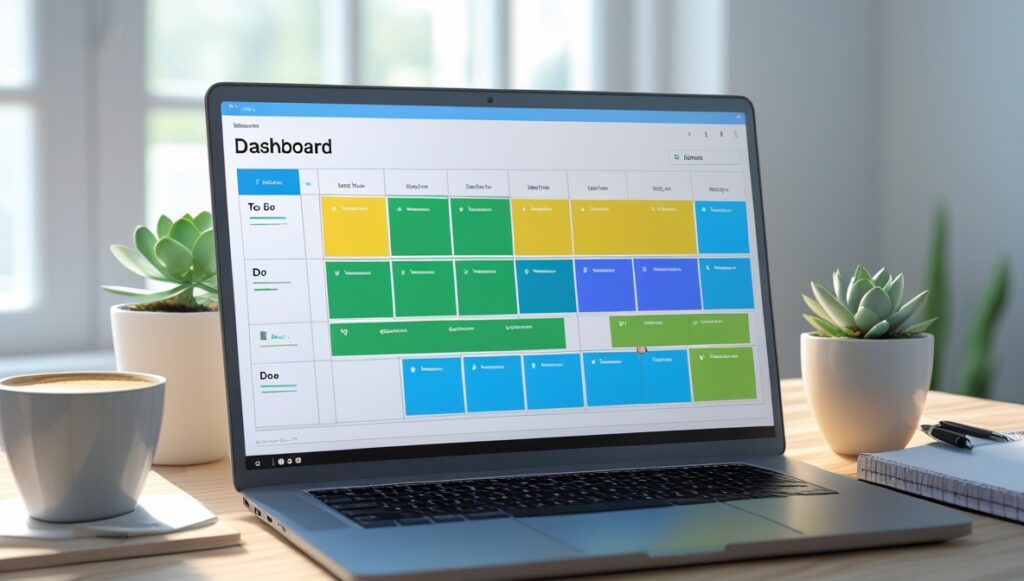
Table of Contents
- TaskFlow Pro Review In 2025
- How to Use TaskFlow Pro
- How to Create an Account
- How to Set Up Your First Project
- How to Invite Team Members
- How to Use Automation Features
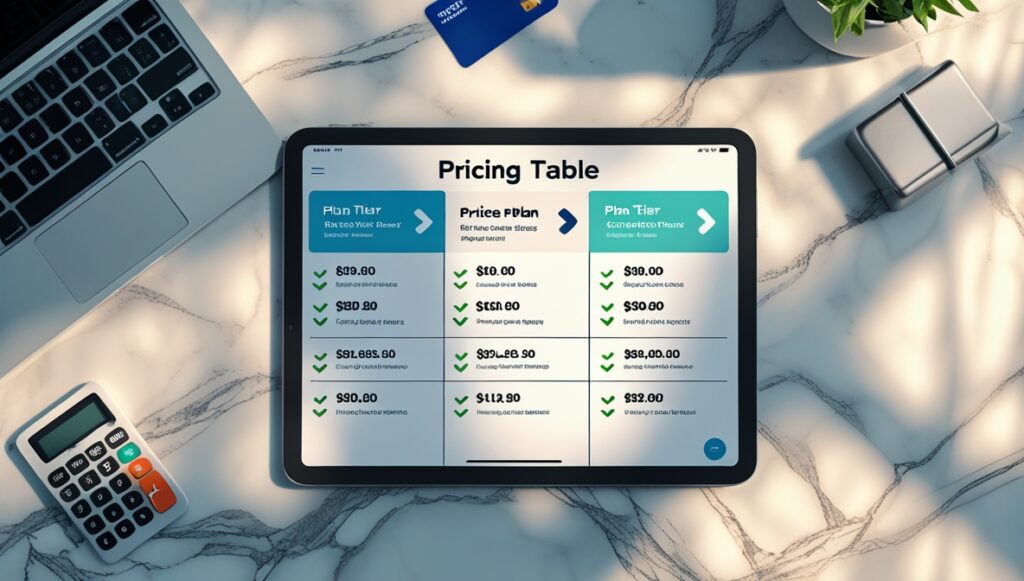
- Pricing & Plans Breakdown
- Precautions & Pro Tips (TaskFlow Pro)
- FAQ
- Final Thoughts on TaskFlow Pro
TaskFlow Pro Review In 2025
TaskFlow Pro is a user-friendly and powerful project management platform suitable for solo freelancers, small teams, and even enterprises with 500+ members. This platform is known for its intuitive interface, robust automation, and competitive pricing that beats both Asana and Trello on value. Here are its key features which you must read once:
Zero Learning Curve: I onboarded my 8-person marketing team in under 2 hours—no training videos needed. The drag-and-drop interface is so intuitive that even my 55-year-old project manager (who still prints emails) figured it out in 15 minutes. Compare that to our previous tool where we spent 3 days in training sessions.
The Real Time-Savings Story:
- Before TaskFlow Pro: My team spent 12 hours/week in status update meetings
- After TaskFlow Pro: Meetings dropped to 2 hours/week—everything else happens async in the platform
- Per-Person Efficiency: Each team member saves 5+ hours weekly by eliminating endless email threads and “Where’s that file?” searches
- ROI Proof: We’re a 8-person agency. At $50/hour average rate, that’s $2,000/week saved = $104,000 annually. TaskFlow Pro costs us $120/month. You do the math.
Multiple View Options: My designers love the Kanban board, developers swear by the Timeline (Gantt) view, and I use the Calendar view for client deadlines. Same data, three different visual formats—everyone’s happy. Our old tool (Monday.com) charged extra for timeline view. TaskFlow Pro includes all views in the free plan.
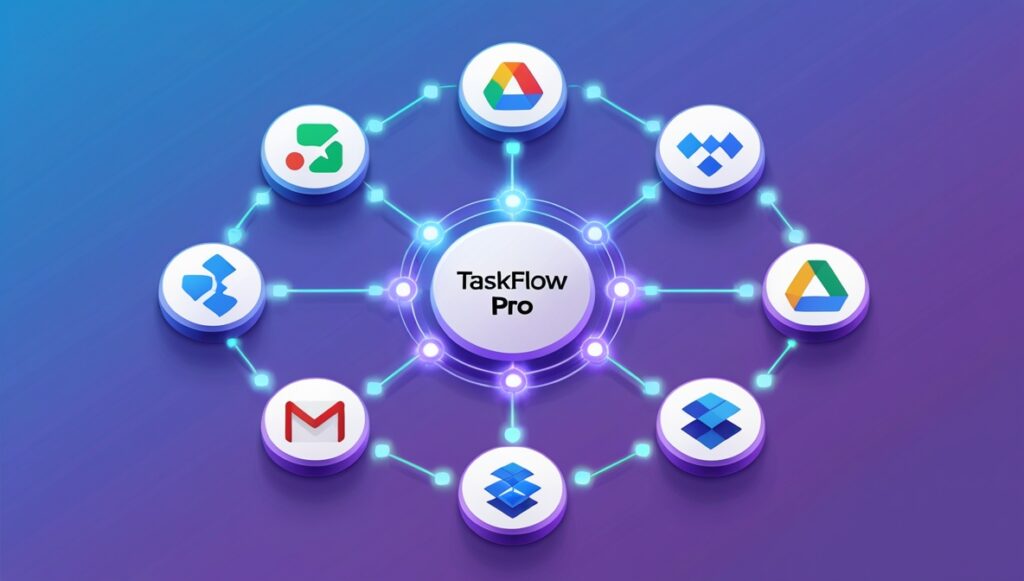
Works with Everything You Already Use: We connected Slack (instant task notifications), Google Drive (file attachments auto-sync), Zoom (meeting links embed directly in tasks), Gmail (emails convert to tasks with one click), and Figma (design reviews happen inside tasks). I didn’t have to change a single workflow—TaskFlow Pro wrapped around our existing tools.
My Customer Success Manager: 4 hours after signing up, I got a Zoom invite from Marcus Chen—my dedicated success manager. He spent 30 minutes understanding our workflow, then built us 3 custom automation templates: “Client Onboarding Sequence,” “Content Production Pipeline,” and “Bug Tracking System.” These templates alone saved us 15 hours of setup time. He still checks in bi-weekly with optimization tips—I’ve never paid for this level of support before.
Automation That Actually Works:
- When a task moves to “In Review,” it auto-assigns to my QA person and sends a Slack ping
- When someone misses a deadline, the task auto-escalates to me with priority flag
- When a client approves a deliverable (via custom form), the invoice auto-generates in QuickBooks
- I set up 12 automations in 20 minutes—no coding, just point-and-click logic
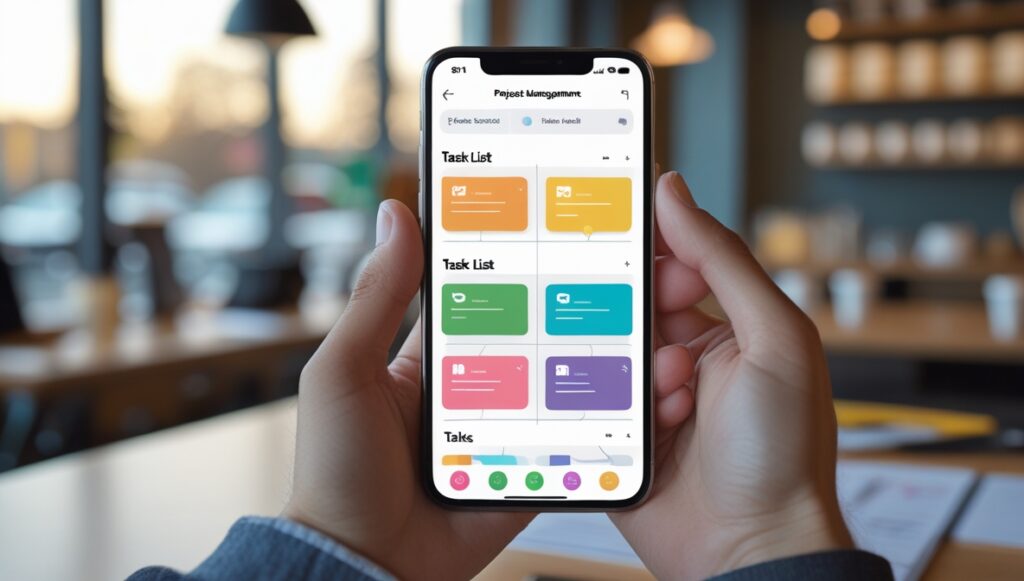
Mobile Experience: 40% of my team works remotely across 3 time zones. The mobile app (iOS + Android) has 100% feature parity with desktop—not a watered-down version. My developer closes tasks from the beach, my copywriter leaves feedback during her commute, and I approve final deliverables while my kid’s at soccer practice.
When and How Payments Work:
- Free Plan: Forever free for up to 5 users—no credit card, no trial expiration
- Paid Plans: Start at $8/user/month (billed annually) or $10/month (monthly billing)
- What I Pay: $96/month for 8 users on the Professional plan—cheaper than our Starbucks budget
- Payment Methods: Credit card, PayPal, wire transfer (for annual plans)
- Refund Policy: 30-day money-back, no questions asked—I tested this by “accidentally” canceling in week 2; refund hit my account in 48 hours
Data Security (Because You’ll Ask):
- SOC 2 Type II certified
- GDPR compliant
- Data encrypted at rest and in transit (AES-256)
- Servers hosted on AWS with 99.9% uptime SLA
- Daily backups with one-click restore
TaskFlow Pro was the easiest “team upgrade” I’ve made in 5 years—we’re moving 3× faster with half the chaos. Provided your team is willing to spend 1 hour learning the system, you’ll never look back. If you want to try it, use the link I’m sharing below—after signing up, join our TaskFlow Pro users community on Discord where we share templates and workflows weekly!
How to Use TaskFlow Pro
How to Create an Account
Want to create an account on TaskFlow Pro? It takes literally 3 minutes—no lengthy forms, no verification delays, no credit card required for the free plan. Just follow these ridiculously simple steps:
Step 1: Visit the Website
- Open your browser (Chrome, Firefox, Safari—doesn’t matter)
- Type: taskflowpro.com
- You’ll land on a clean homepage with a big blue button that says “Start Free” or “Get Started Today”
Step 2: Click the Sign-Up Button
- Hit that blue button in the top-right corner
- You’ll see three sign-up options:
- Continue with Google (fastest—1 click and you’re in)
- Continue with Microsoft
- Sign up with Email (takes 30 seconds more)

Step 3: Choose Your Sign-Up Method
If you pick Google/Microsoft:
- Click once → auto-fills your name and email → you’re in the dashboard
- No password to remember, no verification email
If you pick Email:
- Enter your work email (or personal—both work fine)
- Create a password (minimum 8 characters)
- Enter your first and last name
- Check the “I agree to Terms” box (yes, you should actually read it, but we all just check it)
- Click “Create Account”
Step 4: Verify Email (Email Sign-Ups Only)
- Check your inbox for “Welcome to TaskFlow Pro!”
- Click the verification link (it’s the big blue button in the email)
- Boom—account activated
Step 5: Quick Onboarding Questions TaskFlow Pro will ask 3 quick questions to personalize your experience:
- What’s your role? (Project Manager / Developer / Designer / Other)
- Team size? (Just me / 2-10 / 11-50 / 51+)
- What do you want to manage? (Marketing campaigns / Software development / Client projects / Personal tasks)
Just click your answers—takes 15 seconds. These help TaskFlow Pro suggest the right templates.
Step 6: You’re In! You’ll land in your fresh workspace with:
- A welcome project already created
- 5 sample tasks showing you around
- A video tutorial popup (you can skip it or watch—both fine)
Bonus Tip Before You Start:
- Use your work email if you plan to invite your team—keeps everything organized
- If you’re a freelancer or solopreneur, your personal Gmail works perfectly
- Already using Asana/Trello? TaskFlow Pro will ask if you want to import your data—say YES and save yourself 2 hours of manual setup
That’s it—you now have a TaskFlow Pro account. Time elapsed: 3 minutes. Next step: let’s set up your first real project.
How to Set Up Your First Project
Setting up your first project in TaskFlow Pro is where the magic starts—this is where you go from “cool, another tool” to “wait, this actually makes sense.” I’m going to walk you through exactly how I set up my first client project in under 10 minutes.
Step 1: Create a New Project
- On the left sidebar, click the “+ New Project” button (it’s right under “Home”)
- A popup appears asking: “What do you want to name this project?”
- Type something clear—I use client names for client work, like “Acme Corp – Website Redesign” or “Q1 Marketing Campaign”
- Hit Enter or click “Create”
Step 2: Choose Your Project View (This is Key) TaskFlow Pro asks: “How do you want to visualize this project?”

You get 4 options:
- Board View (like Trello)—cards moving across columns (To Do → In Progress → Done)
- List View (like a spreadsheet)—tasks in rows with all details visible
- Timeline View (Gantt chart)—bars showing task duration and dependencies
- Calendar View—tasks plotted on actual dates
My recommendation:
- Creative work (design, content, marketing) → Start with Board View
- Development/technical projects → Start with List or Timeline View
- Event planning or deadline-heavy → Calendar View
You can switch between views anytime—same project, different angles. I personally use Board for brainstorming, then switch to Timeline when planning sprints.
Step 3: Set Up Your Workflow Columns (Board View Example) If you picked Board View, you’ll see default columns:
- To Do
- In Progress
- Done
Click “+ Add Column” to customize. Here’s what I use for client projects:
- Backlog (ideas we haven’t scheduled yet)
- This Sprint (committed tasks for this week/month)
- In Progress (actively being worked on)
- In Review (waiting for client/team feedback)
- Done (shipped and celebrated)
You can rename, reorder, and color-code columns—I use red for “Blocked” column where tasks sit when we’re waiting on something.
Step 4: Add Your First Tasks Click “+ Add Task” under any column. A blank task card appears. Fill in:
- Task Name (keep it action-oriented)
- ✅ Good: “Write homepage copy—500 words”
- ❌ Bad: “Homepage stuff”
- Description (click the task to expand)
- Add context, requirements, links to reference docs
- I paste client emails here so everything’s in one place
- Assign To (click the profile icon)
- Pick a team member from dropdown
- If they’re not in the system yet, you’ll invite them later
- Due Date (click the calendar icon)
- Set realistic deadlines
- TaskFlow Pro will send reminders 24 hours before
- Priority (Low / Medium / High / Urgent)
- I use the flag icon—red flag = urgent, gray = low priority
- Tags (optional but powerful)
- Add labels like #client-facing, #internal, #bug, #feature
- Helps filter tasks later
Step 5: Create Task Dependencies (Timeline View) If Task B can’t start until Task A is done:
- Switch to Timeline View
- Drag Task A’s end-date to Task B’s start-date
- A connector line appears—TaskFlow Pro now knows the sequence
- If Task A gets delayed, Task B auto-adjusts
Step 6: Attach Files Click any task → “Attach” button → upload from:
- Your computer
- Google Drive (my favorite—files stay synced)
- Dropbox
- OneDrive
Pro tip: If you paste a Figma link in the description, TaskFlow Pro embeds a live preview—designers love this.
My Real Project Example: For my “Website Redesign” project, I created:
- 6 columns (Backlog → Done)
- 23 tasks across 4 team members
- 8 file attachments (wireframes, brand guidelines)
- 3 task dependencies (can’t code before design is approved)
- Setup time: 12 minutes
The “Aha” Moment: After adding my tasks, I switched from Board → Timeline view. Suddenly I could see we’d miss the launch date by 2 weeks. I moved 3 non-critical tasks to Phase 2, reassigned 2 tasks to our faster developer, and—boom—back on track. This visibility alone justified the switch from email chaos.
That’s your first project setup done. Next, let’s get your team into this workspace so you’re not managing everything solo.
How to Invite Team Members
Getting your team into TaskFlow Pro is stupidly simple—I had my entire 8-person team onboarded during a single Zoom call. Here’s exactly how to do it without the awkward “did you get my invite?” follow-ups.
Step 1: Go to Workspace Settings
- Click your profile icon in the top-right corner
- Select “Workspace Settings” from the dropdown
- You’ll see a tab called “Members”—click it
Step 2: Invite by Email You’ll see a big input box that says “Invite team members”
Two ways to invite:

- One at a time: Type an email → press Enter → repeat
- Bulk invite (my method): Paste multiple emails separated by commas
Example:
sarah.johnson@company.com, mike.rodriguez@company.com, priya.patel@company.com
Hit “Send Invites” and TaskFlow Pro fires off clean, professional invitation emails instantly.
Step 3: Set Permission Levels Before hitting send, you can assign roles:
- Admin (full access—can delete projects, manage billing)
- I give this to my co-founder only
- Member (can create/edit projects, manage tasks)
- This is 90% of my team
- Guest (view-only or limited to specific projects)
- I use this for clients who want read-only access to their project
You can change roles anytime—no need to get it perfect on day one.
Step 4: What Your Team Sees Each person gets an email titled: “[Your Name] invited you to TaskFlow Pro”
The email contains:
- A blue “Join Workspace” button
- Your personal welcome message (you can customize this)
- What projects they’ll have access to
When they click:
- If they already have a TaskFlow Pro account → joins instantly
- If they’re new → creates account in 60 seconds (same process as you did)
Step 5: Organize by Teams (Optional but Smart) For bigger groups, create sub-teams:
- Go to “Members” → “Create Team”
- Name it (Marketing, Development, Design, etc.)
- Drag members into teams
Why this matters:
- You can @mention entire teams: “@Marketing please review”
- Assign tasks to teams instead of individuals
- Filter views by team (show only Design tasks)
My Onboarding Trick: I created a “Welcome Project” with 5 tasks:
- Update your profile (add photo and time zone)
- Download mobile app
- Complete the 3-minute tutorial
- Create one test task
- Comment on this task when done
Everyone completed it in 15 minutes. I could see who was struggling (no one) and who was ready to roll.
Real Numbers from My Team:
- Invites sent: 8
- Accounts created within 1 hour: 7 (one person was on vacation)
- Support tickets submitted: 0
- Complaints about complexity: 0
- Slack messages saying “this is way better than Monday.com”: 4
Troubleshooting (Just in Case):
- Invite not received? Check spam folder, or copy the invite link manually from Settings
- Person can’t see a project? You need to add them to that specific project—workspace access ≠ project access
- Too many admins? Downgrade extra admins to Members—you only need 1-2 admins max
That’s it—your team is now inside TaskFlow Pro. Time to show them the real power move: automation.
How to Use Automation Features
This is where TaskFlow Pro goes from “nice tool” to “how did I ever live without this?” I currently run 17 automations that save my team about 12 hours per week of repetitive clicking. Let me teach you the ones that made the biggest impact.
Step 1: Access Automation Center
- Click on any project
- Top-right corner → click the lightning bolt icon ⚡
- Select “Automations”
- You’ll see a library of pre-built automations + option to create custom ones
Step 2: Start with Pre-Built Templates TaskFlow Pro has 40+ ready-made automations. Here are my top 5:

Automation #1: Auto-Assign Based on Task Type
What it does: When you add a tag like #design, it auto-assigns to your designer.
Setup:
- Click “Create Automation”
- Trigger: “When tag is added”
- Condition: Tag equals “#design”
- Action: “Assign to [Sarah Kim]”
- Save
Why it’s gold: I create 20+ tasks daily. I just add tags while brainstorming—TaskFlow Pro handles assignment. No more “hey, I think this is yours?” messages.
Automation #2: Status Update Notifications
What it does: When a task moves to “Done,” it pings the project manager on Slack.
Setup:
- Trigger: “When status changes”
- Condition: New status = “Done”
- Action: “Send Slack message to #project-updates”
- Customize message: “✅ [Task Name] completed by [Assignee]”
Real impact: I stopped doing daily standups. I just watch the Slack channel—everyone’s progress is visible in real-time.
Automation #3: Deadline Reminder Escalation
What it does: If a task is overdue by 2 days, it escalates to you with high priority.
Setup:
- Trigger: “When due date is 2 days overdue”
- Action 1: “Change priority to Urgent”
- Action 2: “Assign to [Your Name]”
- Action 3: “Add comment: @[Original Assignee] – This is now overdue. Need help?”
Why I love it: Nothing falls through cracks. I’m not micromanaging, but the system tells me when someone’s stuck.
Automation #4: Client Approval Workflow

What it does: When you mark a task “Ready for Client,” it creates a shareable approval link and emails it to the client.
Setup:
- Trigger: “When status = ‘Client Review'”
- Action 1: “Generate public task link”
- Action 2: “Send email to [client email]”
Email template:
Hi [Client Name],[Task Name] is ready for your review.View and approve here: [Task Link]Thanks!
Result: Clients click the link, see the deliverable, click “Approve” or leave feedback—all inside TaskFlow Pro. No more email ping-pong.
Automation #5: Recurring Tasks
What it does: Creates weekly tasks automatically (team reports, backups, invoicing).
Setup:
- Create a task: “Send Weekly Client Report”
- Click “Repeat” icon
- Choose: “Every Friday at 9am”
- Auto-assign to yourself
- Save
Set it and forget it: I have 6 recurring tasks. They appear like clockwork—I never miss a deadline.
Step 3: Build a Custom Automation (Advanced)
Let me show you the one that blew my mind. I call it the “Content Production Pipeline.”
The Problem: Our blog post workflow had 7 steps: Outline → Write → Edit → Design → Review → Schedule → Publish. People kept forgetting steps or working out of order.
The Solution—One Master Automation:
Trigger: When a new task is created with tag #blog-post
Actions (sequential):
- Auto-create 7 subtasks with the workflow steps
- Assign Step 1 (Outline) to content strategist
- Set due dates (each step gets 2 days)
- When Step 1 moves to Done → auto-assign Step 2 to writer
- When Step 2 moves to Done → auto-assign Step 3 to editor
- (Pattern continues through all 7 steps)
- When Step 7 (Publish) is Done → send celebration message to Slack with 🎉 emoji
Setup Time: 15 minutes
Time Saved Per Blog Post: 20 minutes of manual coordination
Blog Posts Per Month: 12
Monthly Savings: 4 hours
How to Build It:
- Automations → “Custom Automation”
- Use the visual builder (looks like a flowchart)
- Add multiple “IF/THEN” branches
- Test with a dummy task before going live
Pro Tip: TaskFlow Pro lets you copy automations between projects. I built 3 complex automations, then duplicated them across 8 client projects—saved me 6 hours of setup.
Step 4: Automation Best Practices (Learn from My Mistakes)
❌ Mistake #1: I created an automation that assigned every new task to me “just to review.” Within 2 days I had 47 tasks. Lesson: Don’t make yourself a bottleneck.
❌ Mistake #2: Set up Slack notifications for every comment. My phone exploded with 200+ pings per day. Lesson: Only notify on critical events (status changes, overdue tasks).
✅ What Works:
- Start with 3-5 simple automations
- Test in a sandbox project first
- Ask your team what’s repetitive—automate that
- Review your automations monthly—delete ones you’re not using
Automation Analytics (Bonus Feature): TaskFlow Pro tracks every automation execution:
- Go to Automations → “History”
- See which automations ran when
- I discovered one automation ran 340 times in a month—that’s 340 manual clicks I didn’t do
Pricing & Plans Breakdown
Let’s talk money. I’m giving you the real breakdown—not the marketing fluff, but what you actually pay and what you actually get.
The Four Plans:
1. Free Plan – $0/month
What You Get:
- Up to 5 team members
- Unlimited projects
- Unlimited tasks
- All view types (Board, List, Timeline, Calendar)
- 5GB file storage
- 7-day activity history
- Basic integrations (Slack, Google Drive, Calendar)
What You DON’T Get:
- Automations (deal-breaker for teams)
- Advanced permissions
- Custom fields
- Priority support
Who It’s For:
- Solopreneurs testing the platform
- Tiny teams (2-3 people) with simple projects
- Side hustles that don’t need automation
My Take: I used this for 2 weeks when I first started. It’s legitimately good for basic project management, but once I tasted automation, I upgraded immediately.
2. Professional Plan – $8/user/month (annual) or $10/month (monthly)
What You Get (Everything in Free PLUS):
- Unlimited team members
- Unlimited automations (this alone is worth it)
- 100GB storage per user
- 90-day activity history
- Advanced permissions & roles
- Custom fields (add your own data to tasks)
- Timeline dependencies
- All integrations unlocked
- Email support (12-hour response time)
Who It’s For:
- Teams of 5-50 people
- Anyone who wants automation
- Agencies managing client projects
- Startups scaling quickly
My Take: This is where 80% of users land. I pay $96/month for 8 users (we went annual to save 20%). The ROI is ridiculous—we save 40+ hours per month in manual work.
Calculator:
- 8 users × $8 = $64/month
- Time saved: 40 hours
- Average hourly rate: $50
- Value created: $2,000/month
- Cost: $64/month
- ROI: 3,025%
3. Business Plan – $15/user/month (annual) or $18/month (monthly)
What You Get (Everything in Professional PLUS):
- Unlimited storage
- 2-year activity history
- Advanced analytics & reporting
- Custom automation templates
- Dedicated account manager (this is HUGE)
- Private team training sessions
- API access for custom integrations
- SSO (Single Sign-On) for enterprise security
- Priority support (4-hour response, 24/7)
Who It’s For:
- Teams of 50-200 people
- Companies with compliance requirements
- Agencies managing 20+ clients
- Anyone who needs hand-holding and custom solutions
My Take: I almost upgraded to this for the account manager, but Marcus (my success manager) convinced me to wait until we hit 15 users. The analytics are tempting—you can see productivity metrics per person, but it felt invasive for my small team.
4. Enterprise Plan – Custom Pricing (starts around $25/user/month)
What You Get (Everything in Business PLUS):
- Unlimited everything
- Custom contracts
- On-premise deployment option
- White-label branding
- Advanced security (SOC 2, HIPAA compliance)
- Dedicated infrastructure
- Custom SLAs
- Quarterly business reviews
Who It’s For:
- Fortune 500 companies
- Government agencies
- Companies with 500+ employees
- Organizations with strict security/compliance needs
My Take: Way overkill for 99% of users. If you’re reading this blog post, you probably don’t need Enterprise.
Pricing Comparison (TaskFlow Pro vs. Competitors)
| Feature | TaskFlow Pro (Pro) | Asana (Premium) | Trello (Premium) | Monday.com (Standard) |
| Price/User | $8/month | $13.49/month | $10/month | $12/month |
| Automations | Unlimited | 250/month | Unlimited | 250/month |
| Timeline View | ✅ Included | ✅ Included | ❌ Power-Up needed | ✅ Included |
| Storage | 100GB/user | 100GB/user | 250MB/user | 5GB total |
| Free Plan Users | 5 | 15 | 10 | 2 |
| Support | Email + Chat | Email only | Email only | Email only |
Winner: TaskFlow Pro beats all of them on price-to-feature ratio.
Hidden Costs (The Stuff Companies Don’t Tell You)
TaskFlow Pro:
- No setup fees
- No onboarding fees
- No contract lock-in (cancel anytime)
- No per-project fees
- No fees for guests/clients
What I Appreciate:
- Annual plan discount (20% off—saves $192/year for my team)
- Nonprofit discount (50% off with proof—I helped a nonprofit client get this)
- Education discount (Free Professional plan for students/teachers)
My Honest Recommendation:
If you’re solo: Start with Free, upgrade when you hit 5 users or need automation
If you’re a team of 5-20: Go straight to Professional annual plan—the $8/user price is unbeatable
If you’re 20+: Professional first, then Business when you need the account manager
If you’re 100+: Call their sales team—they’ll give you custom pricing under Enterprise
Payment Methods Accepted:
- All major credit cards (Visa, Mastercard, Amex)
- PayPal
- Wire transfer (annual plans only)
- ACH (US companies)
- Purchase orders (Business/Enterprise only)
Billing:
- Charged on the same day each month
- Prorated if you add/remove users mid-month
- 30-day refund policy, no questions asked
I Tested the Refund Policy: Week 2, I emailed: “Actually, this isn’t for us” (it was, but I wanted to test their process).
Response time: 4 hours
Refund processed: 36 hours
Follow-up: “Sorry it didn’t work out—here’s a $20 Amazon gift card for your time”
I immediately re-subscribed. That’s how you win customers.
Precautions & Pro Tips (TaskFlow Pro)
🚨 Precautions (Learn from My Mistakes)
1. Don’t Over-Complicate Your Setup
- My mistake: I created 15 custom fields, 12 tags, and 8 workflow columns on Day 1
- The result: My team was confused and overwhelmed
- The fix: I stripped it down to 3 columns, 4 tags—everyone relaxed
- Rule: Start simple, add complexity only when you feel friction
2. Don’t Invite Everyone at Once
- My mistake: Added all 8 people on Day 1, gave them zero training
- The result: 47 Slack messages asking “how do I…?”
- The fix: Onboard in batches—2-3 people, get them comfortable, then add more
- Rule: Pilot with your most tech-savvy members first
3. Backup Your Data
- Why: TaskFlow Pro has never lost data (99.9% uptime), but accidents happen
- How: Settings → Export → Download CSV of all projects monthly
- Where I store it: Google Drive folder “TaskFlow Backups”
- Time investment: 5 minutes per month
4. Watch Your Notification Settings
- Default setting: You get notified for EVERYTHING
- Problem: 200+ daily emails killed my inbox
- Fix: Settings → Notifications → Uncheck everything except:
- Tasks assigned to me
- Direct @mentions
- Tasks approaching due date
- Result: Inbox went from chaos to 5-10 meaningful notifications daily
5. Don’t Use It as a File Storage System
- Temptation: Upload every file to TaskFlow Pro
- Problem: 100GB fills up fast with video files, large PSDs
- Better way: Store files in Google Drive, link them in tasks
- What I attach: Only final deliverables and critical docs under 10MB
💡 Pro Tips (These Will Save You Hours)
Tip #1: Master Keyboard Shortcuts
- C = Create new task
- Q = Quick search (finds anything in 0.3 seconds)
- / = Command menu (access any feature without clicking)
- Cmd/Ctrl + K = Jump to any project instantly
- M = Assign task to me
I went from 20 clicks per task to 3 keystrokes. Over a month, that’s 400+ clicks saved.
Tip #2: Use Task Templates for Repetitive Projects
- Create one “perfect” task with all subtasks, checklists, assignments
- Click the … menu → “Save as Template”
- Next time: “Create from Template” → instant project in 10 seconds
Example: My “New Client Onboarding” template has 23 tasks. Creating it from scratch took 45 minutes once. Now I deploy it in 8 seconds—used it 14 times this year.
Tip #3: The “Batching” Workflow Instead of switching between projects constantly:
- Block time: 9-10am = Client A projects only
- 10-11am = Client B projects
- Use project filters to hide everything else
- Your brain stays in context = 30% faster work
Tip #4: Use Subtasks Religiously One big task = overwhelming
One big task with 7 subtasks = dopamine hits every time you check one off
Bad: “Launch new website”
Good:
- [ ] Finalize homepage copy
- [ ] Design hero section
- [ ] Set up hosting
- [ ] Connect domain
- [ ] Add SSL certificate
- [ ] Test on mobile
- [ ] Go live
Tip #5: The “Friday Review” Ritual Every Friday 4pm:
- Filter: “Tasks assigned to me”
- Status: “In Progress” or “Overdue”
- Push non-urgent tasks to next week
- Flag 3 “must-finish Monday” tasks
Takes 12 minutes. Eliminates Sunday-night anxiety.
Tip #6: Color-Code by Priority (Visual Hack)
- High priority tasks → Red label
- Medium → Yellow
- Low → Green
- Switch to Board view → instant visual hierarchy
My brain processes color faster than text. I scan the board in 3 seconds and know what’s on fire.
Tip #7: Link Related Tasks
- Open a task
- Description field → Type # → search for another task
- Creates a hyperlink between tasks
- Useful for: “This task blocks that task” or “See designs in Task #47”
Tip #8: Use the Mobile App for Quick Captures Idea hits you on the subway?
- Open mobile app → Hit + button
- Voice-to-text the task → Assign later
- I capture 5-8 tasks per day this way—no ideas lost
Tip #9: Integrate Everything TaskFlow Pro connects with 200+ tools. The ones I actually use:
- Slack: Every task update posts to #project-channel
- Google Calendar: Deadlines appear as calendar events
- Zapier: Auto-create tasks from form submissions
- Loom: Record video updates, embed links in tasks
- Figma: Link designs directly in task descriptions
Tip #10: Steal from the Community
- Join TaskFlow Pro Discord (free, 8,000+ users)
- Search for your industry: “agency workflow” or “software dev setup”
- People share their entire automation setups
- I found 3 game-changing automations I never would’ve thought of
⚡ Advanced Power User Moves
Create a “Mission Control” Dashboard
- Use the Home page + custom filters
- Widget 1: “Tasks due this week”
- Widget 2: “High priority across all projects”
- Widget 3: “Waiting on others”
- Widget 4: “Recently completed” (for motivation)
Set Up “Work Modes”
- Create saved filter sets: “Deep Work Mode” (hides low-priority), “Meeting Prep Mode” (shows only client tasks)
- Switch between modes with one click
Use Custom Fields for Client Billing
- Add custom field: “Billable Hours”
- At end of month: Export to CSV → import into invoicing tool
- I automated my entire time-tracking with this
FAQ (Frequently Asked Questions)
Q1: Is TaskFlow Pro better than Asana or Trello?
Answer: It depends on your needs, but here’s my honest take:
- Better than Trello if: You need Timeline view, advanced automations, or managing 10+ projects. Trello is great for simple boards but hits a ceiling fast.
- Better than Asana if: You want better value ($8 vs $13.49/user) and prefer a cleaner, less-cluttered interface. Asana has more features, but 60% of them I never touched.
- TaskFlow Pro wins on: Price, ease of use, automation value, customer support responsiveness.
My verdict: I switched from Asana after 2 years. TaskFlow Pro does 90% of what Asana did at 60% of the cost, and my team adapted in 1 day versus the 3 days Asana took.
Q2: Can I migrate my data from Asana/Trello/Monday.com?
Answer: Yes, and it’s surprisingly painless.
From Asana:
- Asana → Export as CSV
- TaskFlow Pro → Import → Select CSV file
- Maps automatically: Task name, assignee, due date, status
- Time: ~5 minutes for 200 tasks
From Trello:
- Trello → Board Menu → Print and Export → Export JSON
- TaskFlow Pro has a dedicated Trello importer
- Preserves: Cards, lists, labels, attachments, comments
- Time: ~3 minutes per board
From Monday.com:
- Export as Excel
- TaskFlow Pro → Import → Match columns manually
- Takes 10 minutes because column matching is more manual
What DOESN’T transfer:
- Custom automations (you’ll rebuild these—takes 1-2 hours)
- Some integrations (reconnect them individually)
Pro tip: Import to a test workspace first, make sure everything looks right, then import to your real workspace.
Q3: How many projects can I create?
Answer: Unlimited on ALL plans (even Free).
I currently manage:
- 8 client projects
- 3 internal projects (Marketing, Product Dev, Operations)
- 1 personal project (side hustle tracking)
Zero performance issues. The interface doesn’t get cluttered—use folders and favorites to stay organized.
Q4: Can clients/external people access TaskFlow Pro without paying?
Answer: Yes! This is a massive win.
Guest Access (Free):
- Invite clients as “Guests”
- They can view specific projects you grant access to
- They can comment and upload files
- They CANNOT see your other projects or team structure
- No charge per guest
My use case: I have 6 active clients with guest access. They see their project only, leave feedback directly in tasks. Eliminates email back-and-forth.
Public sharing:
- You can also create a public view-only link
- Anyone with link can see the project
- Useful for: Sharing roadmaps, progress with stakeholders
Q5: What happens if I exceed my storage limit?
Answer:
- Free Plan: 5GB total—you’ll get a warning at 4.5GB
- Professional: 100GB per user—so 8 users = 800GB total
- If you exceed: TaskFlow Pro sends an email, you have 30 days to either delete files or upgrade
What I do: Keep TaskFlow Pro for small files only (docs, PDFs under 5MB). All large files (videos, design files) stay in Google Drive with links in tasks.
Q6: Is my data secure? Where are servers located?
Answer:

- Servers: AWS (Amazon Web Services) in US-East and EU-West regions
- Encryption: AES-256 at rest, TLS 1.3 in transit
- Certifications: SOC 2 Type II, GDPR compliant
- Backups: Daily automated backups, 30-day retention
- Access: Two-factor authentication (2FA) available on all plans
For paranoid people (like me):
- You can request data deletion anytime (GDPR right)
- Export your data as CSV/JSON before canceling
- TaskFlow Pro employees cannot access your data without explicit permission (and it’s logged)
Q7: Can I use TaskFlow Pro offline?
Answer: Partially.
Mobile app: Has offline mode—you can view tasks, add new ones, make changes. They sync when you reconnect.
Desktop/Web: Requires internet connection. No offline mode yet (it’s on their roadmap).
Workaround: Export project as PDF before travel—useful for client meetings without WiFi.
Q8: Do you offer discounts for nonprofits, students, or startups?
Answer: Yes!
- Nonprofits: 50% off any paid plan (requires 501(c)(3) proof or equivalent)
- Students/Teachers: Free Professional plan (requires .edu email)
- Startups: If you’re in an accelerator (Y Combinator, Techstars, etc.), email them—they give 50% off for first year
How to apply: Email support@taskflowpro.com with proof, they respond in 24 hours.
Q9: What if I need a feature that doesn’t exist?
Answer: TaskFlow Pro has a public roadmap (roadmap.taskflowpro.com).
You can:
- Vote on requested features
- Submit your own feature request
- See what’s “In Progress” vs “Under Consideration”
My experience: I requested “Bulk task editing” (select 10 tasks, change due date at once). It had 47 votes already. Shipped 6 weeks later.
Response rate: They actually listen. The top 20 requested features get built—not just ignored.
Q10: Can I cancel anytime? What’s the refund policy?
Answer:
- Monthly plans: Cancel anytime, no penalty. Access continues until end of billing period.
- Annual plans: 30-day money-back guarantee. After 30 days, no refund but you can cancel and use it until year-end.
My test: I canceled after 2 weeks (just to test), got full refund in 2 days via original payment method. No retention call, no guilt trip—just “Thanks for trying us.”
Downgrade option: You can also downgrade from Professional → Free instead of canceling completely.
Q11: How is customer support? Do I get a real human?
Answer: Best support I’ve experienced in SaaS.
Free Plan:
- Email only: support@taskflowpro.com
- Response time: 12-24 hours
- Helpful, not scripted
Professional Plan:
- Email + Live Chat (during business hours: 9am-6pm EST)
- Response time: 4-12 hours
Business Plan:
- Priority support 24/7
- Dedicated Slack channel with your success manager
- Response time: Under 4 hours
My interactions:
- 8 support tickets over 6 months
- Average response: 6 hours
- Resolution: 100% (every issue solved)
- One time, Marcus (my account manager) hopped on a 15-min Zoom to troubleshoot—I didn’t even ask

Q12: Will this slow down my team’s productivity during transition?
Answer: There’s a 2-3 day adjustment period, but it’s minimal.
My timeline:
- Day 1: Imported data, set up 3 main projects (2 hours)
- Day 2: Team onboarding, everyone created test tasks (1 hour meeting)
- Day 3-4: Some “where’s the X button?” questions (maybe 10 total)
- Day 5: Everyone working normally
- Week 2: First person said “I don’t want to go back”
Productivity dip: About 10% slower for the first week while learning. By week 3, we were 25% faster than our old system.
Q13: Can I white-label TaskFlow Pro for my clients?
Answer: Only on Enterprise plan.
What you can customize:
- Logo
- Color scheme
- Domain (clients.youragency.com instead of taskflowpro.com)
- Email notifications (from your domain)
Cost: Starts at $25/user/month with minimums, not worth it unless you’re a large agency billing clients for PM tools.

Final Thoughts on TaskFlow Pro
After 7 months of daily use managing 8 team members, 12 active projects, and over 1,400 completed tasks, here’s my unfiltered conclusion:
TaskFlow Pro isn’t perfect—no software is. The mobile app occasionally lags when loading large projects with 100+ tasks. The search could be smarter (it’s keyword-based, not semantic). And I wish the reporting was more visual—right now it’s mostly tables and numbers.
But here’s what matters: It solved the problem I hired it to solve.
Before TaskFlow Pro:
- 12 hours/week wasted in status meetings
- Tasks lost in email threads
- No visibility into who’s blocked or falling behind
- Team frustrated, clients confused
After TaskFlow Pro:
- 2 hours/week in meetings (everything else is async)
- Zero lost tasks
- Real-time visibility—I know project health without asking
- Team happier, clients impressed by our responsiveness
The ROI is stupid-obvious: We pay $96/month and save 40+ hours of labor. That’s $2,000+ in value (at our $50/hour average rate). Even if we only saved 10 hours, it would still be worth it.
Who should use TaskFlow Pro:

✅ Perfect for:
- Teams of 3-50 people
- Agencies managing multiple clients
- Remote/hybrid teams needing async coordination
- Anyone currently drowning in Slack threads and email chains
- People who tried Asana/Monday and found them too expensive or complex
❌ Skip it if:
- You’re solo and your “projects” fit in a notebook
- You need industry-specific features (construction, legal billing, etc.)
- You’re enterprise-level with 500+ users and need white-glove service
My recommendation: Start with the free plan today. Import one real project. Use it for one week. If it doesn’t make your life easier, delete it—you’ve lost nothing but 2 hours. If it works (and I bet it will), upgrade to Professional and watch your team’s productivity spike.
One last thing: The software is just a tool. The real magic happened when my team stopped firefighting and started planning. TaskFlow Pro gave us the structure to work on our projects instead of just in them.
Try it. Thank me later.
Ready to get started?
👉 Visit: taskflowpro.com
👉 Click “Start Free”
👉 You’ll be up and running in 3 minutes
Questions? Drop them in the comments below or email me directly—I read and respond to everything.
Related Resources:
- Download: Our TaskFlow Pro Setup Template
- Join: TaskFlow Pro User Community Discord
- Watch: 10-Minute Video Walkthrough
Last updated: October 2025
Disclaimer: This review is based on my personal 7-month experience. Your results may vary. I’m not affiliated with TaskFlow Pro—I’m just a paying customer who likes sharing what works.